Igwe AN and Afkhami M. 2026. Redundancy maintains microbial ecosystem functional potential despite taxonomic shifts between serpentine and nonserpentine soils. Microbial Genomics. DOI: 10.1099/mgen.0.001835.
Bio-Based Communities of Practice: Primed for the Social and Solidarity Bioeconomy
Igwe AN. 2026. Bio-Based Communities of Practice: Primed for the Social and Solidarity Bioeconomy. Integrative and Comparative Biology. DOI: 10.1093/icb/icag067
Christian receives a 2026-2027 National Horticulture Foundation Scholarship
For over 30 years, National Horticulture Foundation has been an innovator in enhancing the horticulture industry. The National Horticulture Foundation (NHF) continues to deliver research and education to a broad base of industry members. Comprised of an esteemed team of contributors, the Foundation is dedicated to seeing the industry grow and thrive well into the future. NHF understands the meaning of paying it forward and needs your help to continue its mission.
Allie presents at the 2026 Joint MAS-ASPB and UMD Plant Symposium
The 2026 Joint MAS-ASPB and UMD Plant Symposium is an annual event co-organized by the ASPB Mid-Atlantic Section and UMD. The meeting has a tradition of showcasing major plant research advances in the Mid-Atlantic region and beyond and welcomes the participation of underrepresented minorities and junior scientists. The meeting consists of keynote talks, invited talks, abstract talks, posters, and workshops.
Mary receives the 2026 Anne McNabb Summer Fellowship! Congratulations!
The Anne McNabb Fellowship is intended to help students who are new to the world of research. Consideration is given to students who have not previously participated in undergraduate research and to first generation college students.
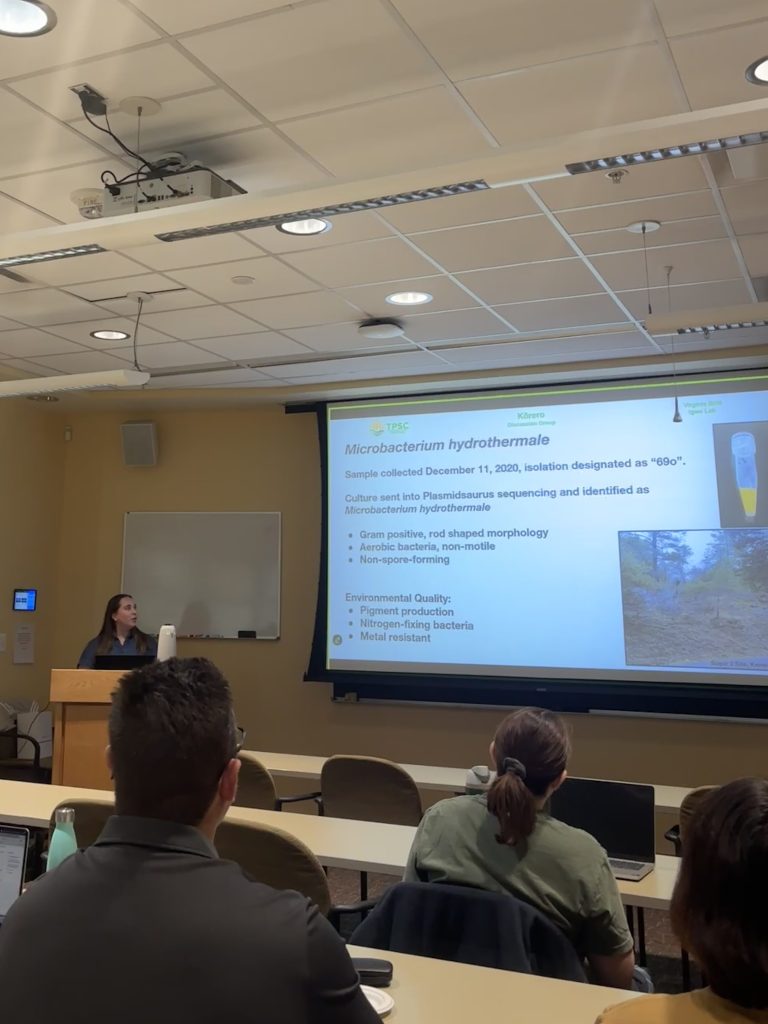
Virginia presents at the TPSC Kōrero
Congratulations, Virginia for presenting at the December TPSC Kōrero and highlighting the work The Igwe Lab is doing with Microbacterium hydrothermale
Restoring Landscapes and Communities: Insights from Critical, Urban, and Plant Ecology
Igwe AN, Callwood KA, Shelton DS. 2025. Restoring Landscapes and Communities: Insights from Critical, Urban, and Plant Ecology. Environmental Science and Ecotechnology. DOI: 10.1016/j.ese.2025.100601
Allie visits Bowdoin College’s Biology Department
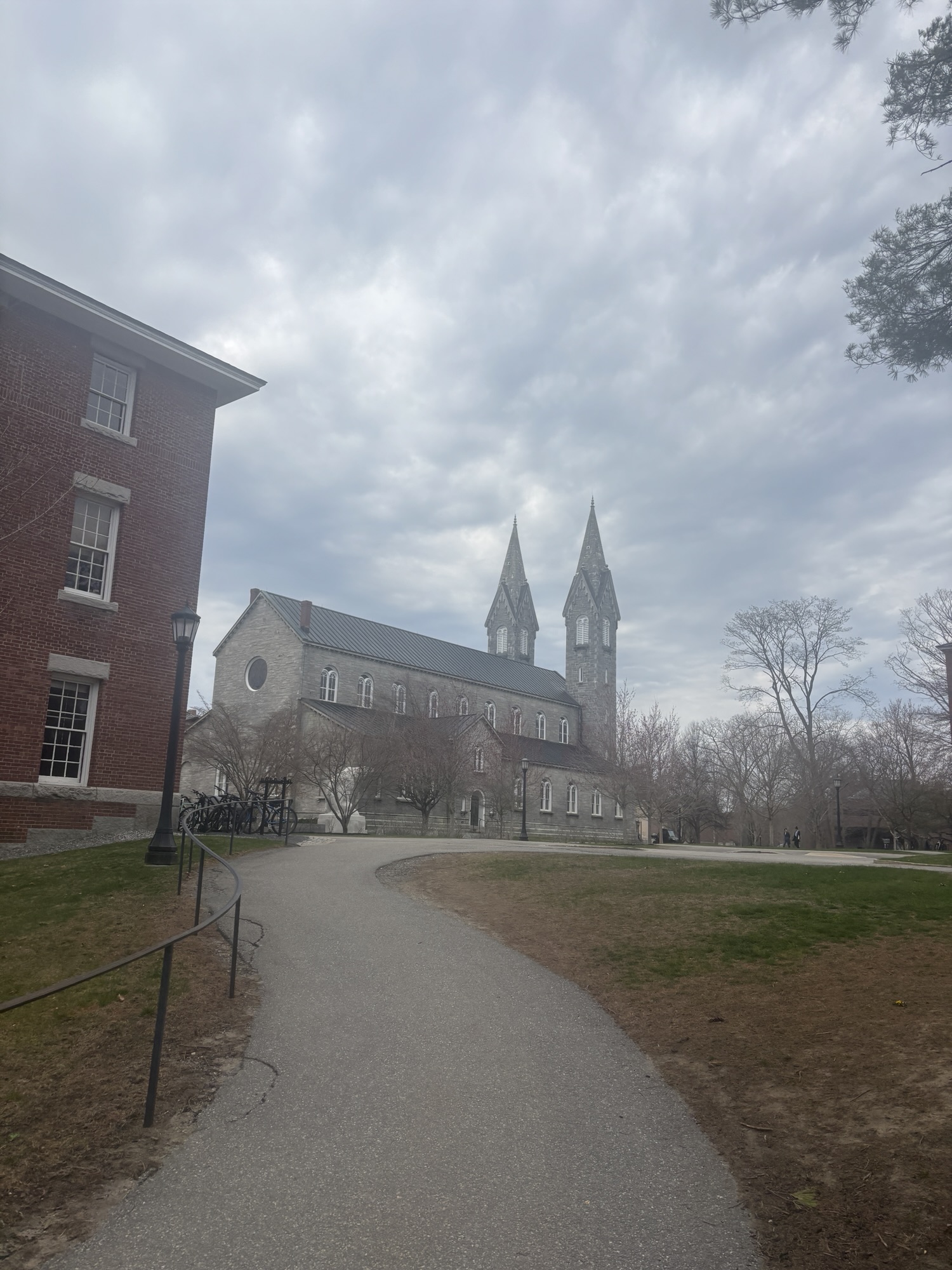
Thank you to Dr. Anne McBride for the invitation and organizing an amazing visit!


A roadmap to understanding and anticipating microbial gene transfer in soil communities
Gillett D, Selinidis M, Seamons T, George D, Igwe A, Del Valle I, Egbert R, Hofmockel K, Johnson A, Matthews K, Masiello C, Stadler L, Chappell J, and Silberg J. A roadmap to understanding and anticipating microbial gene transfer in soil communities. Microbiology and Molecular Biology Reviews (2024). https://doi.org/10.1128/mmbr.00225-24.
Allie presents at the 6th Virginia Urban Ag Summit
Allie attended and presented at the 6th Virginia Urban Ag Summit where urban growers from across Virginia met to share knowledge and learn about urban ag in the state. From soil-less to small-scale, farming in all its variations was the topic. Allie presented on the potential role of microbes from “extreme” environments in agriculture and how plant growth-promoting-bacteria can be isolated at home.

